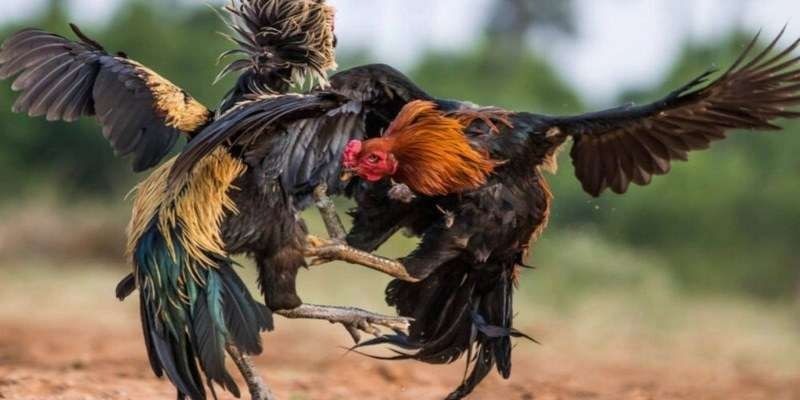
Prevention and Treatment of Common Diseases in Fighting Cocks
Cockfighting, also known as fighting cock, has existed in the hearts of Vietnamese people for generations, not only as a competitive sport but also as a symbol of courage, resilience and the country’s unique cultural traditions. Fighting cocks RIKVIP are not only objects of competition but also contain the pride, beliefs and spiritual beauty of the community, clearly reflecting the customs, habits and social values of Vietnamese people through each period.
Overview of Gamecocks – History, Characteristics and Cultural Values
Fighting cocks are an indispensable part of Vietnamese cultural life, with a long history and closely associated with traditional village activities. From cockfighting festivals in the past to modern competitions, the image of fighting cocks has penetrated deeply into people’s consciousness, symbolizing strength, courage and national pride. In addition, fighting cocks also clearly represent the cultural beliefs of the Vietnamese people, such as worshiping and considering cocks as sacred objects, blessings, and bringing luck.
Famous Fighting Chicken Breeds and Fighting Characteristics
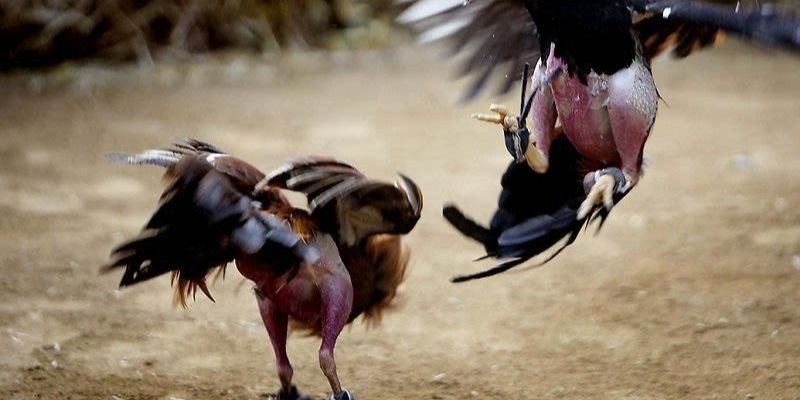
In the world of fighting chickens, there are many famous chicken lines that have become legends, clearly showing the fighting character of each type. Some chicken lines such as “American Game Chicken”, “Thai Chicken”, “Dong Ho Chicken”, or “Quang Ninh Fighting Chicken” all have their own characteristics in fighting ability, endurance and tactics. Each chicken line has subtle characteristics, suitable for different fighting tactics and all reflect the diversity of fighting chicken customs of each region.
For example, American gamecocks are known for their speed and agility, often using quick-footed, quick-hitting tactics that leave their opponents unable to react. Meanwhile, Dong Ho chickens are known for their endurance and long-term fighting ability, demonstrating the perseverance and tenacity of the chicken warrior. These chicken breeds all have special features in terms of body shape, feather color, comb system, spurs, and appropriate raising methods to maximize their fighting ability.
The diversity of fighting chicken breeds not only helps players and players choose according to their preferences or tactics, but also creates a richness of this sport in the chicken-loving community in Vietnam. At the same time, through analyzing famous chicken breeds, we also understand more clearly about the fighting spirit and the art of choosing chickens of the masters.
Techniques for Choosing Good Fighting Chickens – Evaluation Criteria and Practical Experience
Choosing the right fighting cock is not only based on intuition, but also requires the player to have a deep understanding of the technical criteria, physiological characteristics and fighting ability of each cock. A good fighting cock needs to have a balanced physique, strong legs, a bright comb, bright eyes, and a stubborn temperament, able to resist the opponent’s attacks well. In addition, the assessment of fighting ability is also based on factors such as spur type, wing thickness, kicks, ability to dodge and react flexibly.
Practical experience shows that observing chickens during combat is very important to determine the potential of chickens in real matches. Players need to pay attention to reflexes, attack and defense methods, as well as the ability to adapt to the opponent’s tactics. Regularly interacting, learning and drawing lessons from matches is the best way to improve the ability to select and practice chickens with appropriate tactics.
Choosing chickens also involves many other factors such as care, nutrition and proper training, contributing to helping chickens develop optimal physical condition to be ready for successful competition. This is the art of skillfully combining selection and raising techniques, creating top-class chicken warriors.
Scientific Nutrition and Care for Fighting Cocks for Optimal Development
Taking care of fighting cocks is an art, requiring meticulousness, science and perseverance. Appropriate, nutritious food such as mixed bran, broken rice, rice, corn, and supplemented with vitamins and minerals helps the cocks develop comprehensively in terms of physical condition. Breeders need to pay attention to checking the weight, firmness of the feathers, spurs, legs and swimming ability of the cocks; this will help ensure that the cocks are always healthy and ready to compete.
In addition to nutrition, cleaning the barn, spraying disinfectants, and regular health checks are necessary to prevent infectious diseases such as dry feet, swollen wings, malaria, or skin diseases. The combination of a reasonable diet and careful care will help chickens maximize their fighting ability, persevere through challenges in the match, and contribute to improving the performance of fighting chickens.
The key to optimal development of fighting cocks is the science of building a reasonable nutritional regimen, combined with appropriate training, while maintaining a clean, healthy living environment. This not only helps the cocks maintain good physical condition but also creates resilient warriors, capable of overcoming all challenges on the battlefield.
Training Fighting Cocks – Methods, Exercises and Important Notes
Training fighting cocks is a laborious process, requiring perseverance and a deep understanding of the fighting mechanism of each cock. Exercises such as jumping over ropes, kicking, promoting reflexes, practicing spurs or practicing running fast all contribute to improving the fighting ability, endurance and accuracy of the cock. The trainer needs to build a clear roadmap, suitable for each cock based on the age, physical condition and response ability of each cock.
It is important to note that you should not focus too much on strength and ignore reflexes and flexibility. In addition, the training time must be appropriate to avoid tiring the chicken, causing injury or losing fighting spirit. Using appropriate exercises, along with a reasonable diet and rest will help the fighting chicken become more combative, with quick reflexes and accurate kicks, contributing to improving performance in competitions.
In addition, the chicken’s emotions and psychology are also very important. Trainers need to create conditions to help the chicken feel confident and comfortable, avoid pressure or stress, so that the chicken can show its maximum ability in the match. Thus, the art of training is not only the process of physical training but also understanding the psychology and strategy to create a top-class chicken warrior.
Prevention and Treatment of Common Diseases in Fighting Cocks
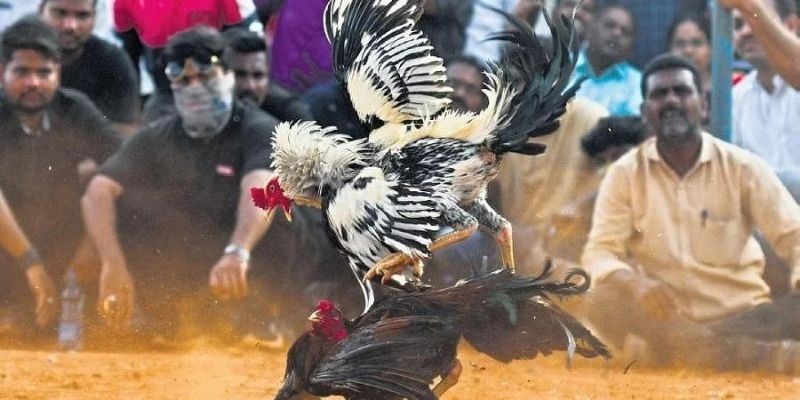
Taking care of fighting cocks does not stop at training and nutrition, but also focuses on disease prevention and treatment. Diseases such as dry legs, swollen wings, malaria, skin diseases or injuries to the spurs and legs can all seriously affect the fighting process of the cock. Breeders need to monitor regularly, detect abnormal symptoms early for timely treatment, avoid spreading the disease or causing more serious consequences.
Checking the hygiene of the barn, using appropriate preventive medicine, and regular vaccination are important measures to help reduce the rate of chickens getting sick. Accurate diagnosis and use of safe and appropriate medicines under the guidance of veterinarians or experts will ensure effectiveness. Moreover, when chickens are injured or sick, they need to be cared for properly, avoiding self-treatment or causing panic in order to maintain optimal physical condition during competition.
Diseases can have a major impact on the physical and mental health of chickens, so disease prevention is the foundation for maintaining fighters in the collection and improving the performance of fighting chickens in tournaments. Investing properly will help maintain the health of chickens, improve long-term fighting ability and maintain the pride of the players.
Rules and Popular Forms of Cockfighting Today
Cockfighting matches in Vietnam can take place in many different forms and rules, depending on the region, area or competition organization. The most common are traditional cockfighting matches, based on rules such as qualifying rounds, knockout matches, or regular tournaments with clear classification formats, referees and strict rules. These matches usually take place in the arena, following the agreed rules to ensure fairness and safety for the fighters.
In the common competition rules, the most important are the regulations on valid strikes, competition time, and how to handle violations. In addition, cockfighting can also be a bait fight, a team fight, or a weight class fight to balance strength and fairness. These forms of competition not only require the fighting skills of the chickens but also the coordination and control of the trainer and referee.
Strictly following the rules, preparing thoroughly from the day of the competition to handling situations during the match are the decisive factors for the success of cockfighting matches. This not only helps maintain the beauty of the traditional sport but also enhances professionalism, creates a healthy playground and develops the community of cockfighting lovers in Vietnam.
Fighting Cocks in Vietnamese Culture – Beliefs, Traditions and Social Perspectives
Fighting cocks have become a symbol in the beliefs and traditions of the Vietnamese people, deeply reflecting the spirit and determination of people through the ages. In the Vietnamese mind, fighting cocks are not only fighting animals but also have sacred meanings, are objects of hope for luck, peace, and are symbols of enduring vitality. Cockfighting festivals often take place during important holidays, such as Lunar New Year, village festivals, with the wish to pray for peace and prosperity for the community.
In addition, cockfighting is also part of the spiritual tradition, where the elders and the community express their belief in the victory of goodness and the power of ancestors through these symbolic matches. From a social perspective, this sport also reflects the beauty of the Vietnamese tradition of loyalty and the will to overcome difficulties, while also demonstrating responsibility and respect in the community.
Fighting cocks also contribute to connecting the community, creating a unique and rich feature in the spiritual life of Vietnamese people, helping to preserve traditional values, raising awareness of history, beliefs and national culture in the new era.
Summary
We have consulted comprehensively aboutGamecock, from history, characteristics, outstanding lines, chicken selection skills, care, training, disease prevention, competition rules, to the role in Vietnamese culture. What makes this sport unique is the blend of fighting art, religious culture, and community responsibility. Fighting cocks are not only a symbol of strength and will but also contribute to beautifying the country’s traditions, creating a unique, rich and diverse culture.